Food is Carried
By Joy Iheoma van Geerestein
![]()
Fig 1. Transkei Xhosa , c.1935-77, Photography : McKay, Vernon (Collector)
Across generations and borders, over tables and between plates, and through memories, rituals, practices, and culture. Food is carried through both the tangible and the intangible.
![]()
Fig 2. Nupe terracotta Pot 17, Nigeria. Source: Hamil Gallery
![]()
Fig 3. Banana Leaf Head Rings, Kenya. Source: Object lessons
The vessel, the ring, and the body function as a single system. The intelligence of carrying is stored in muscle memory, in movement, and in the continual negotiation between object and body.
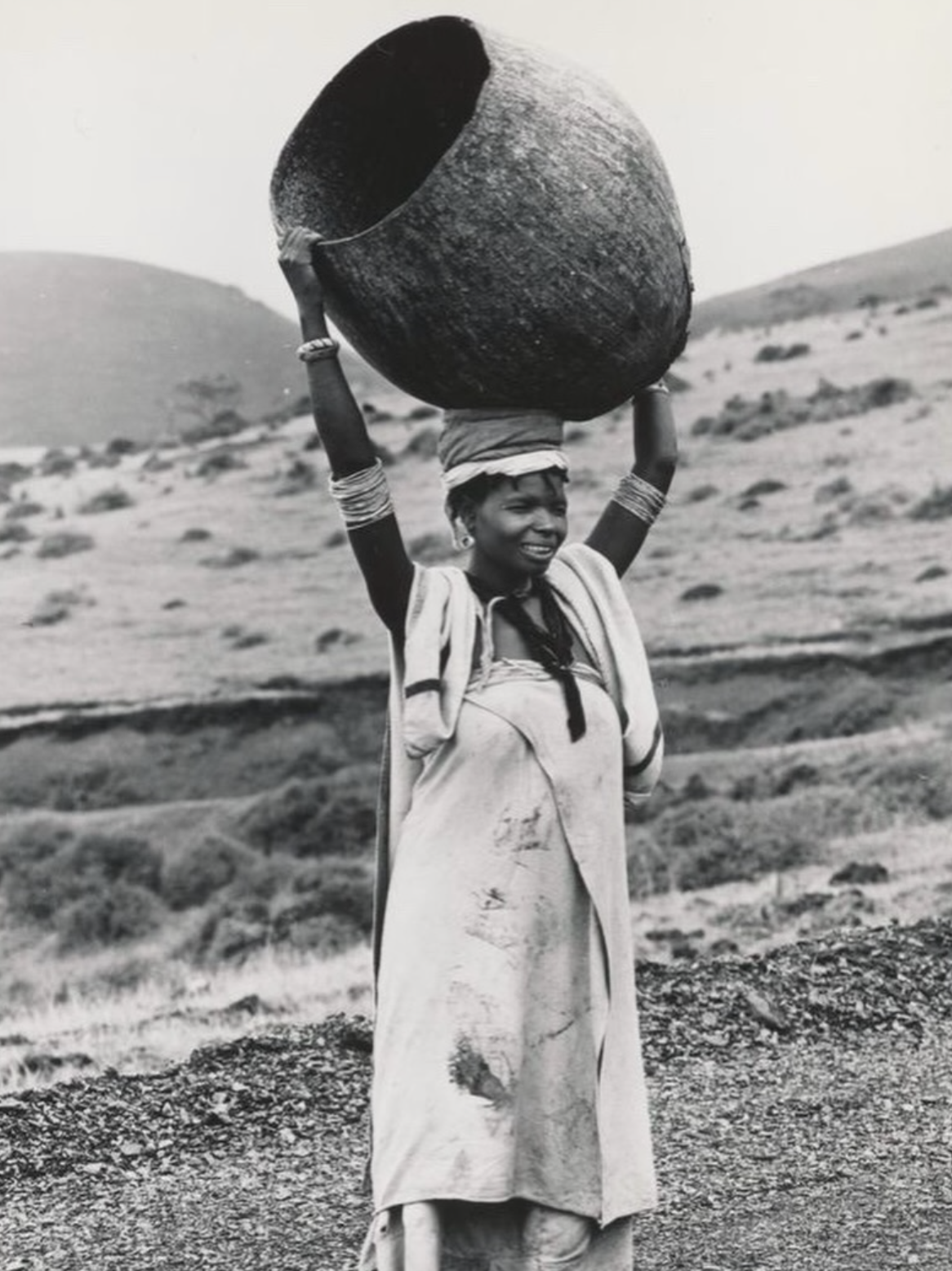
Fig 1. Transkei Xhosa , c.1935-77, Photography : McKay, Vernon (Collector)
Across generations and borders, over tables and between plates, and through memories, rituals, practices, and culture. Food is carried through both the tangible and the intangible.
Carrying food asks something of the body and something of the mind.
In terms of the body, head-carrying is one of the oldest and most efficient ways to transport food and other goods. The practice involves placing a bowl, basket, or bundle on the head, often stabilized with a cloth ring. In many African and other traditional contexts, women have historically been responsible for gathering, preparing, and transporting food, water, and household supplies. Carrying on the head allows them to move large or heavy loads efficiently while keeping the hands free for children, tools, or other tasks. The weight is balanced through posture, gait, and careful positioning of the vessel. Knowledge of how to carry is learned through observation and repetition rather than written instruction. The body itself becomes part of the system, and carrying becomes both a skill and a form of design intelligence.
The design of head-carrying objects is precise. Bowls favor rounded bases and wide rims, which work together with cloth rings to stabilize the load. Cloth rings come in different forms depending on the type of vessel and its contents. Twisted rings, made by wrapping and twisting fabric into a stiff doughnut shape, distribute weight efficiently and work best for rigid, heavy containers. Folded or soft rings conform to pliable loads like sacks of rice, cushioning and stabilizing objects that shift as the carrier moves. Each bowl and each ring require a slightly different solution, producing a slightly different posture.
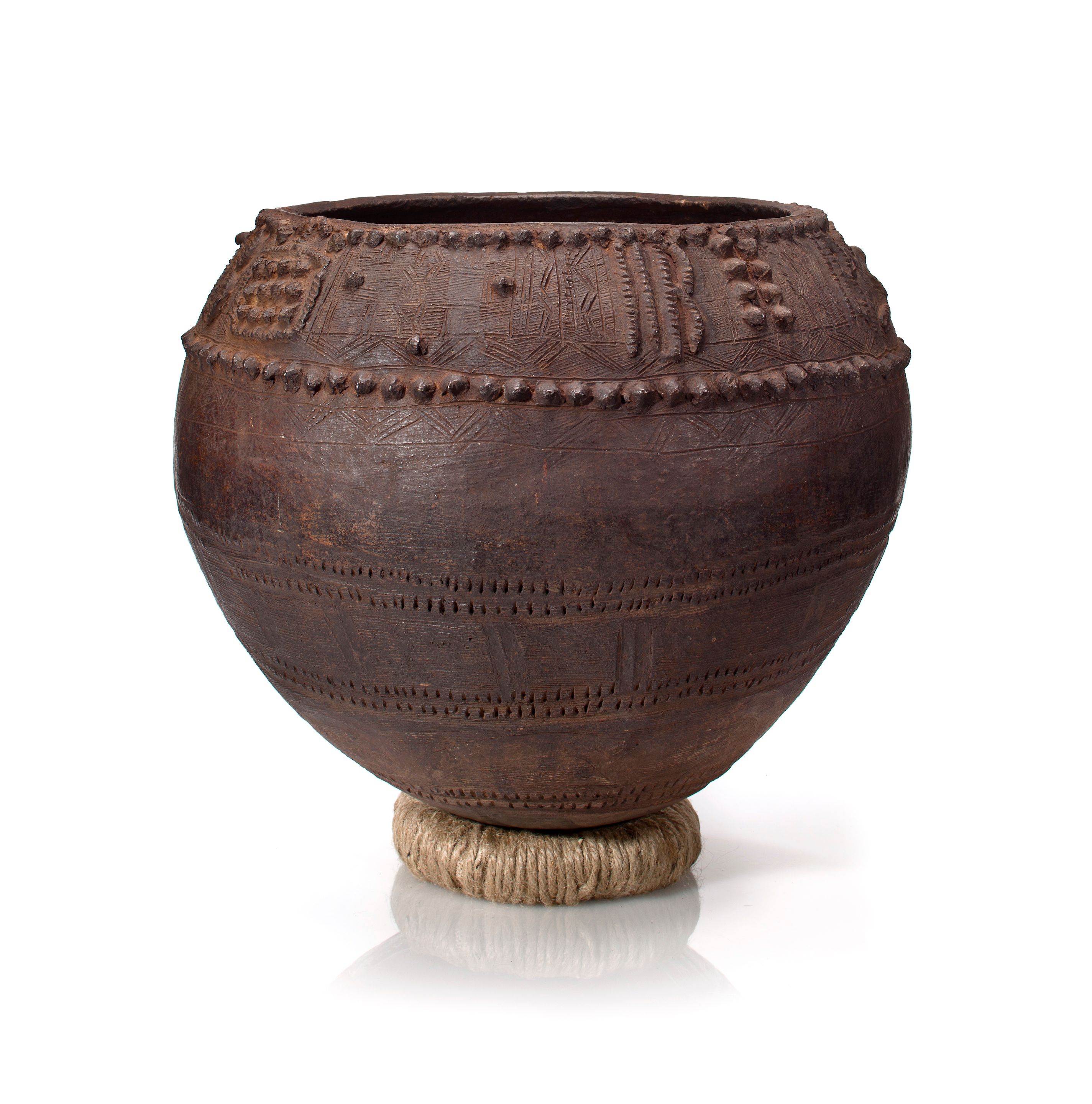
Fig 2. Nupe terracotta Pot 17, Nigeria. Source: Hamil Gallery

Fig 3. Banana Leaf Head Rings, Kenya. Source: Object lessons
The vessel, the ring, and the body function as a single system. The intelligence of carrying is stored in muscle memory, in movement, and in the continual negotiation between object and body.
Food carried on the head shows that design exists not only in objects, but also in movement, posture, and care. Bowls, cloth rings, and the body together form a system that allows food to move efficiently and safely. Women have carried this knowledge for generations, translating repeated practice into stability and skill. In this way, carrying food preserves the relationship between body and mind, and shows how objects, bodies, and care remain inseparable in the everyday work of living.
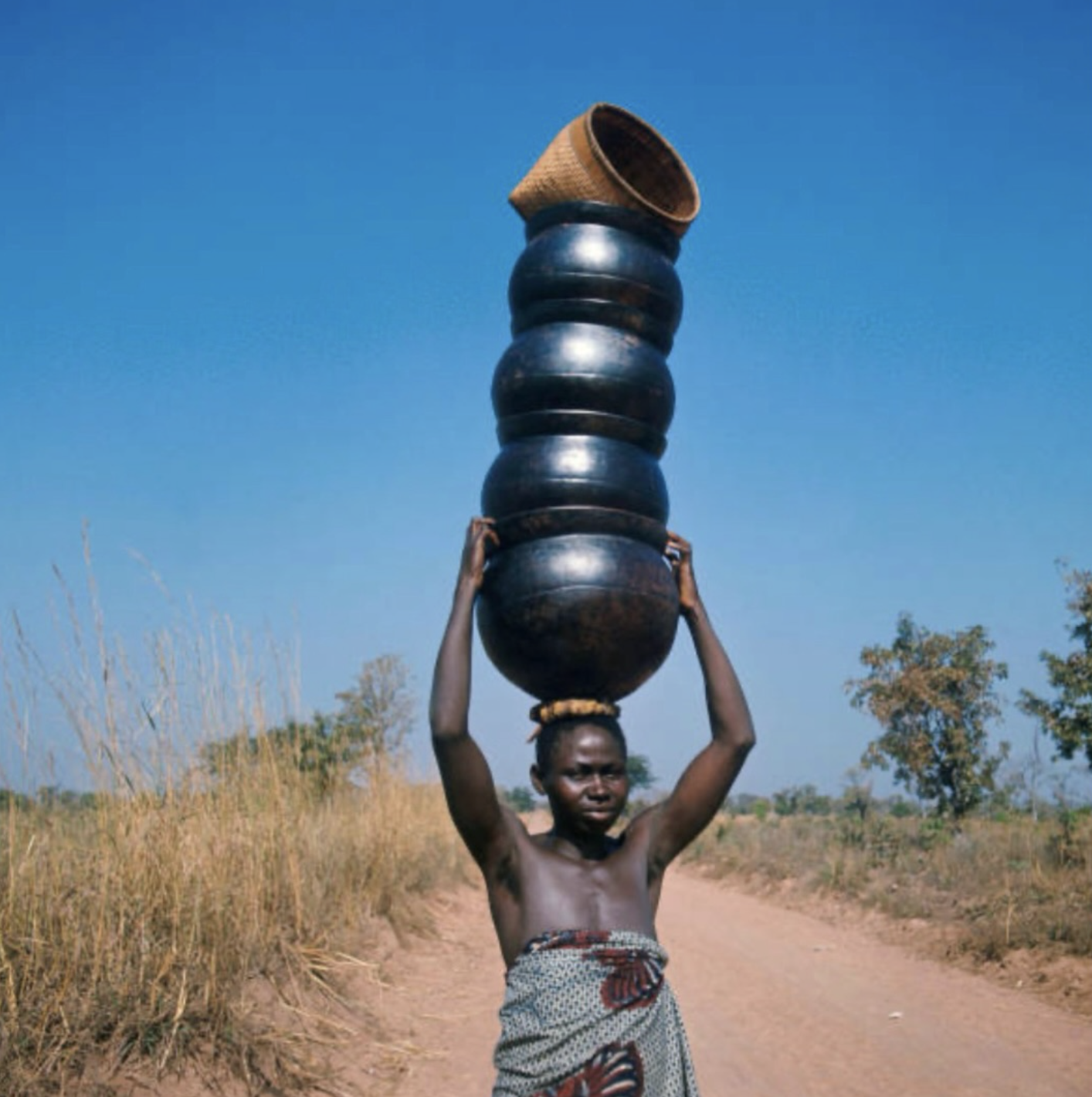
Fig 4. A Lobi woman in Ivory Coast” circa 1960-1970. Photo by: Michel Huet
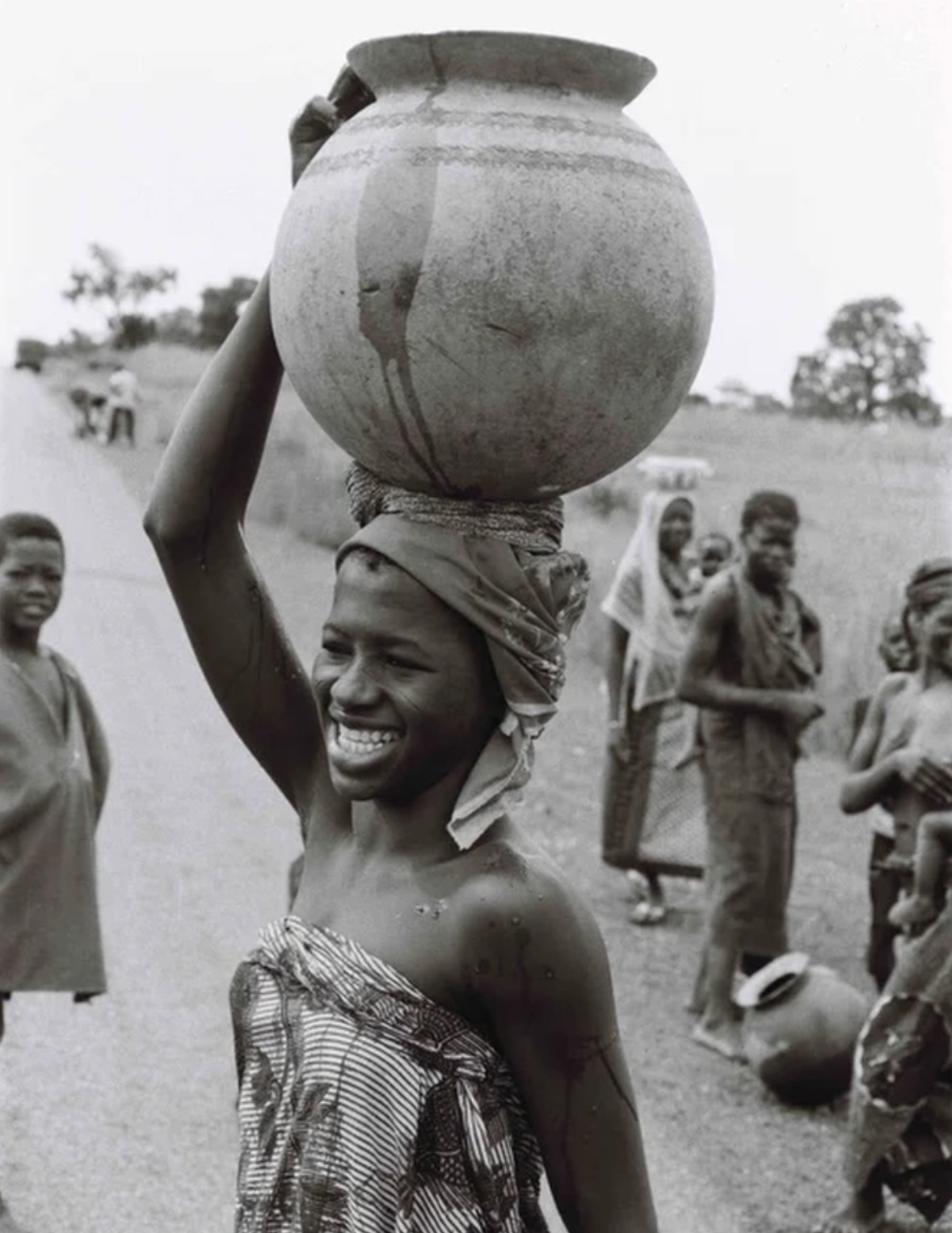
Fig 5. A Mosi woman fetching water with a clay jug, south of Ouagadougou (Burkina Faso) c.1976. Photo: Karl-Heinz Krieg
Download PDF:
Get this article in print
21 January 2026
Share: Email, Instagram, WhatsApp