Notes on Gold
By Charlene Prempeh
![]()
Many individuals from the African diaspora will lay claim to royal status. Here’s mine: The Asantehene of Ghana is my Dad’s cousin. Formally known as the Gold Coast under the rule of Britain, Ghana has long been famous for having an abundance of gold and the Golden Stool is the most famous emblem of the region.
![]()
Image of the Golden Stool from ‘the power of gold' by Roslyn Adele Walker, 2018

Many individuals from the African diaspora will lay claim to royal status. Here’s mine: The Asantehene of Ghana is my Dad’s cousin. Formally known as the Gold Coast under the rule of Britain, Ghana has long been famous for having an abundance of gold and the Golden Stool is the most famous emblem of the region.
I held this information loosely growing up, but it was as a teenager when I arrived at the The Manhyia Palace in Kumasi, bored and hot, that the significance of gold as part of my family’s DNA really dawned on me. Here, the Asantehene sat on a gilded throne surrounded by an array of intricate gold objects. When I eventually used the bathroom during a break from watching the court jester, I was met with taps that appeared to be crafted from solid gold. In that moment, gold stopped seeming like a display of opulence and became, in my adolescent mind, a signifier of Ghanian culture and a declaration of pride.
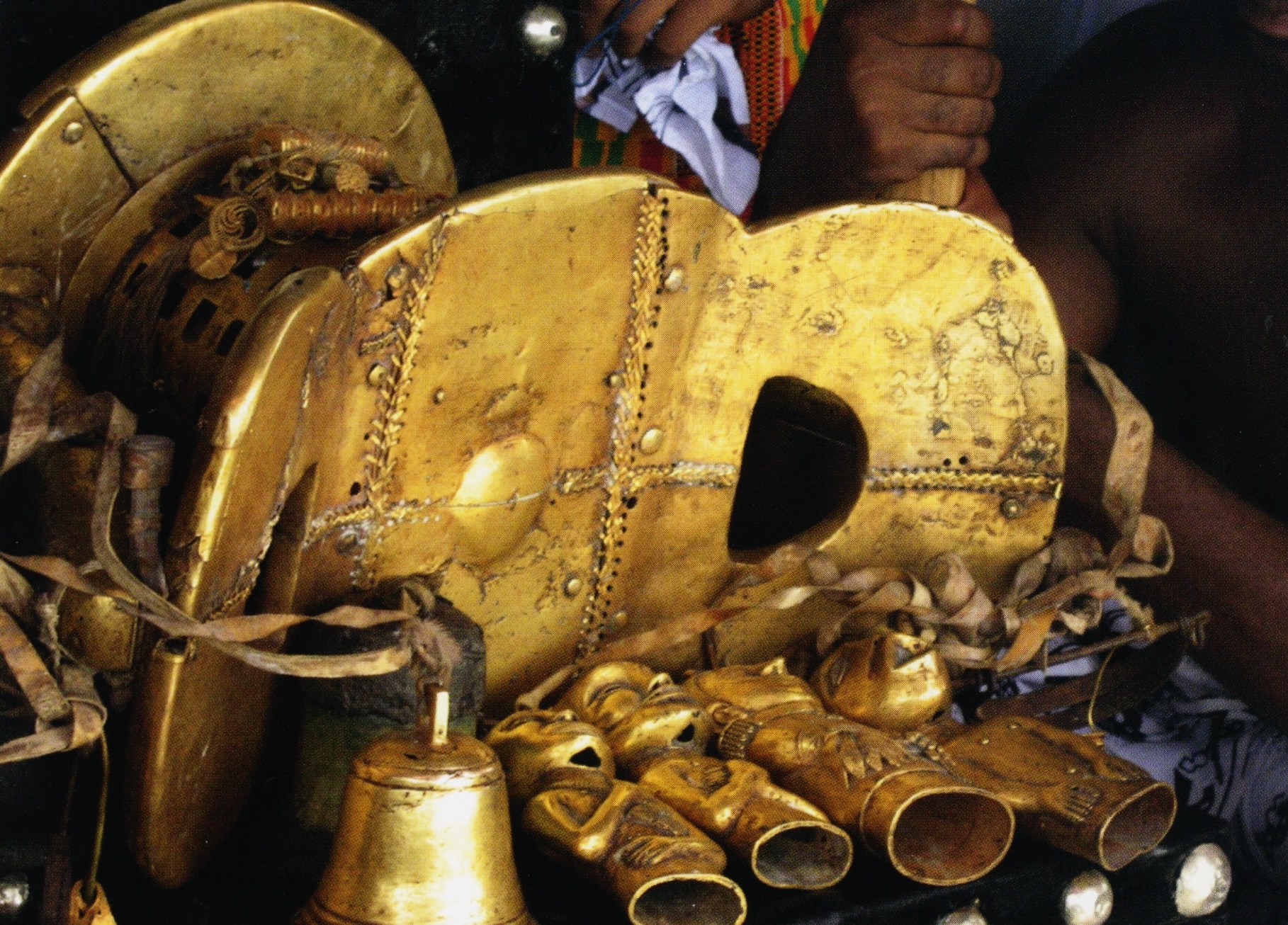
Image of the Golden Stool from ‘the power of gold' by Roslyn Adele Walker, 2018
My circumstances growing up were not especially unusual for a single-parent family in Canning Town: Food was abundant, money was tight, and holidays were non-existent. I understood quite early on that there was little left for indulgent gifts, so when I received my first piece of gold jewellery-a cross with a St Michael’s pendant- it was a surprise. Unwrapping a gold clown with mechanical arms and legs was even more shocking on my 16th. But by the time I was gifted a knotted white gold chain on my 21st, I’d come to understand that gold gifts were somehow the exception to our austerity.
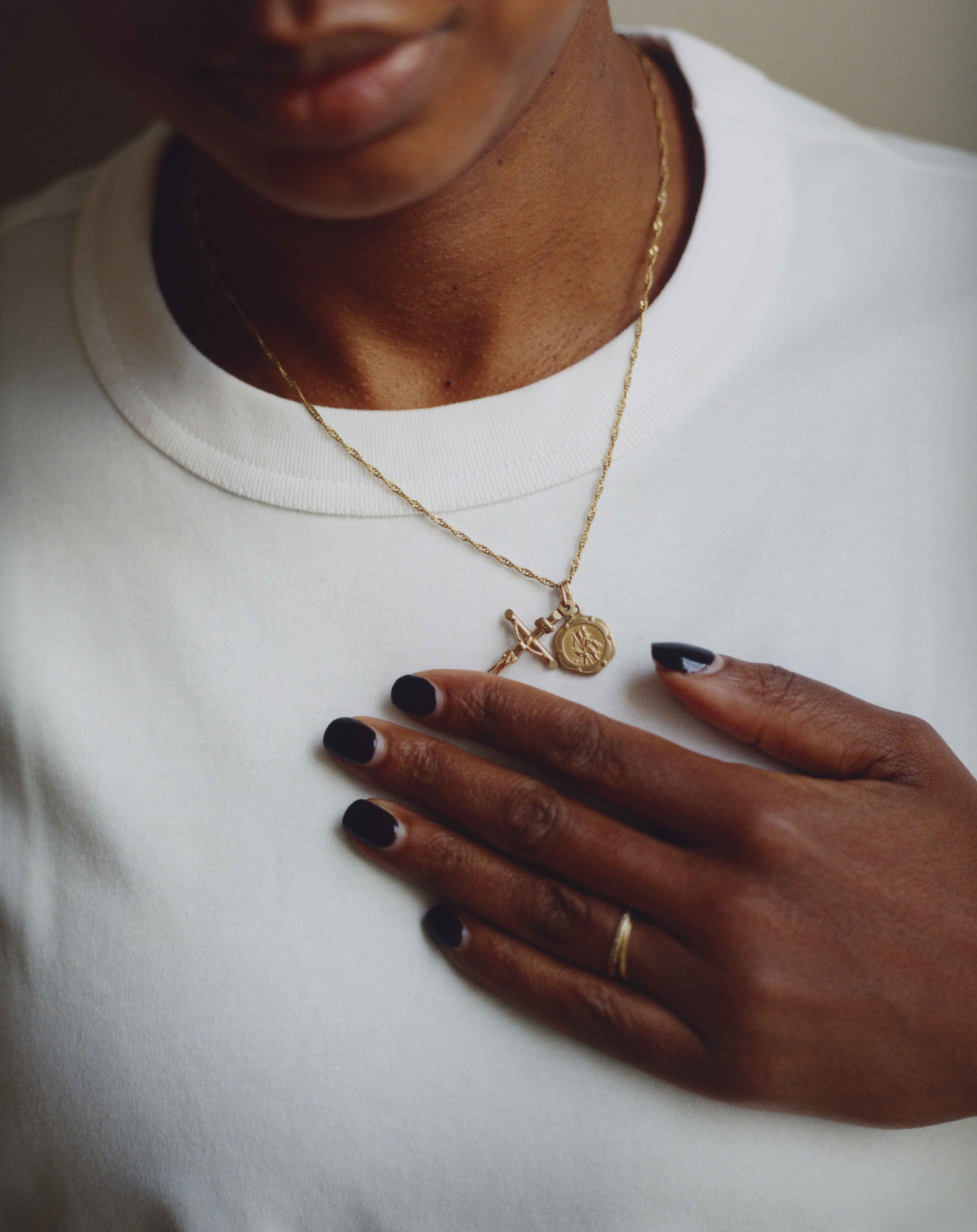

The combination of my mother’s generosity and my family history has meant that gold holds a slightly mythical status for me. Current design discussions often reference the opulent, gilded mess that Trump is busy creating in the White House ballroom. These narratives will include historical notes-gold overlay on Egyptian hieroglyphs, Chinese metalworks covered with gold 3000 years ago or how royalty wore gold jewellery in Medieval Europe. Passages will allude to the fact that gold has always been used to signify wealth. Yet, when I think of gold, it is not within a political or historical framework; I think of it as a way of communicating devotion and a reminder of the richness of Ghana. Gold is my material love language.
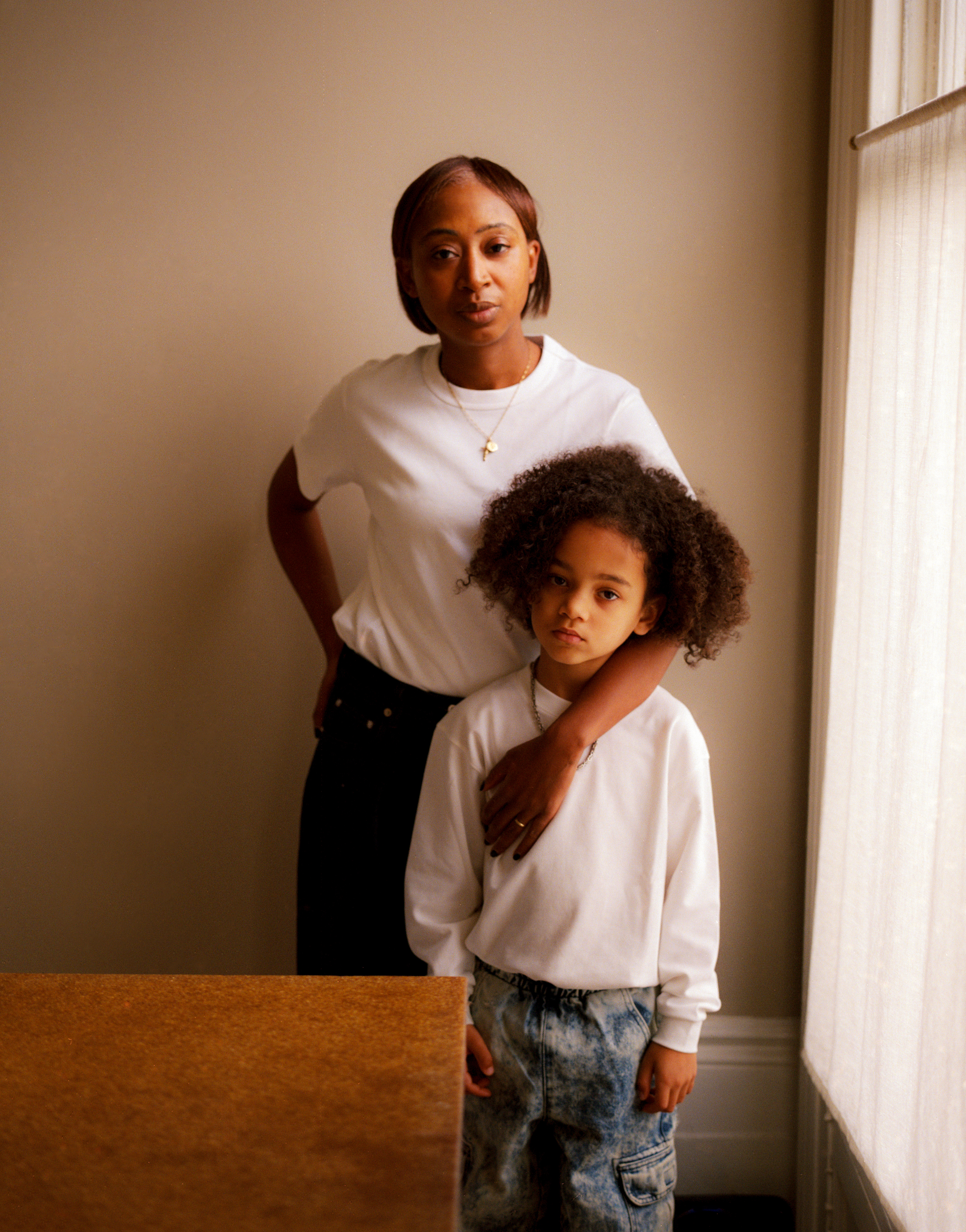
Charlene Prempeh and her son, Lucky, photographed by Christian Cassiel
Credits:
Photography: Christian Cassiel
Download PDF:
Get this article in print
21 January 2026
Share: Email, Instagram, WhatsApp